Anthropic and Google are paying Elon Musk more than $2 billion a month for compute. Why the ability to build fast is the real product, and what your factory is.
I asked a friend recently to guess where Claude gets part of its computing power.
"Yeah, tell me it's Elon Musk."
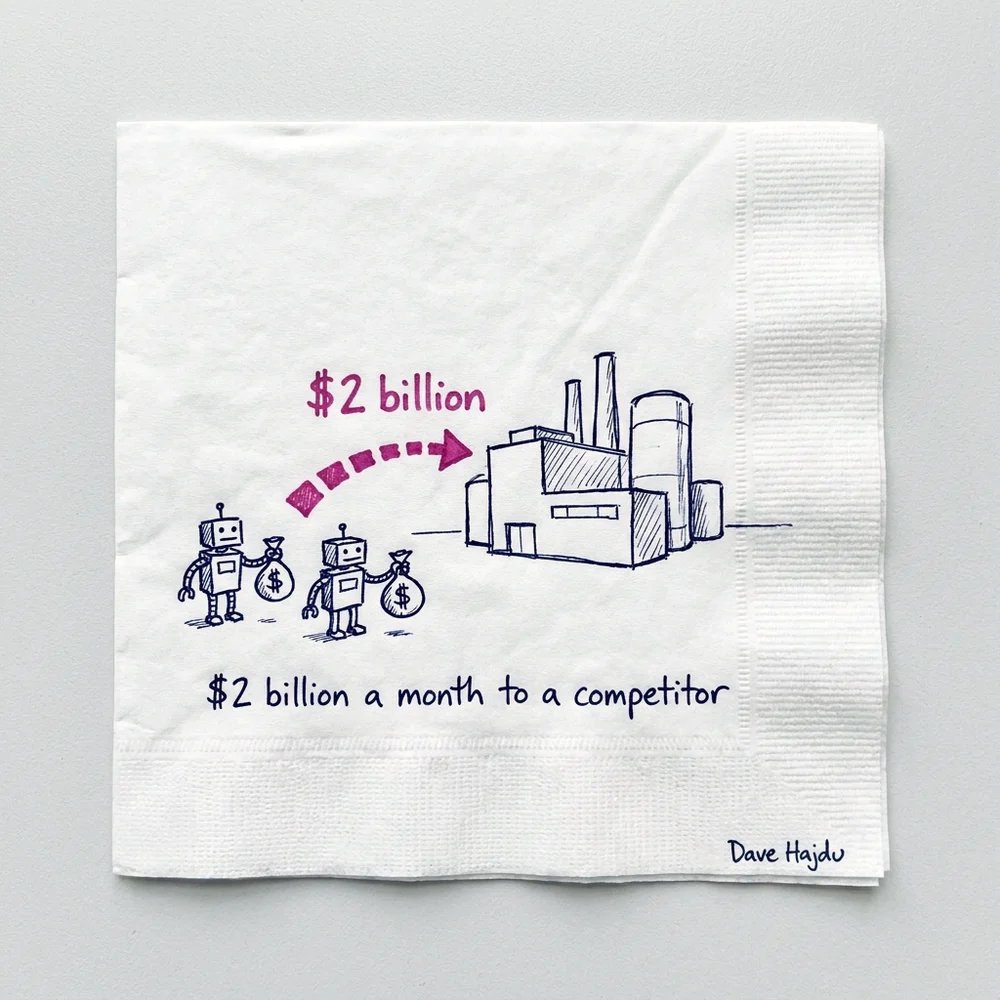
Yes. It is Elon Musk. Anthropic, the company behind Claude, pays SpaceX about $1.25 billion a month. Google pays about $920 million a month. That is more than $2 billion every month from two of the most capable AI companies on earth to a direct competitor.
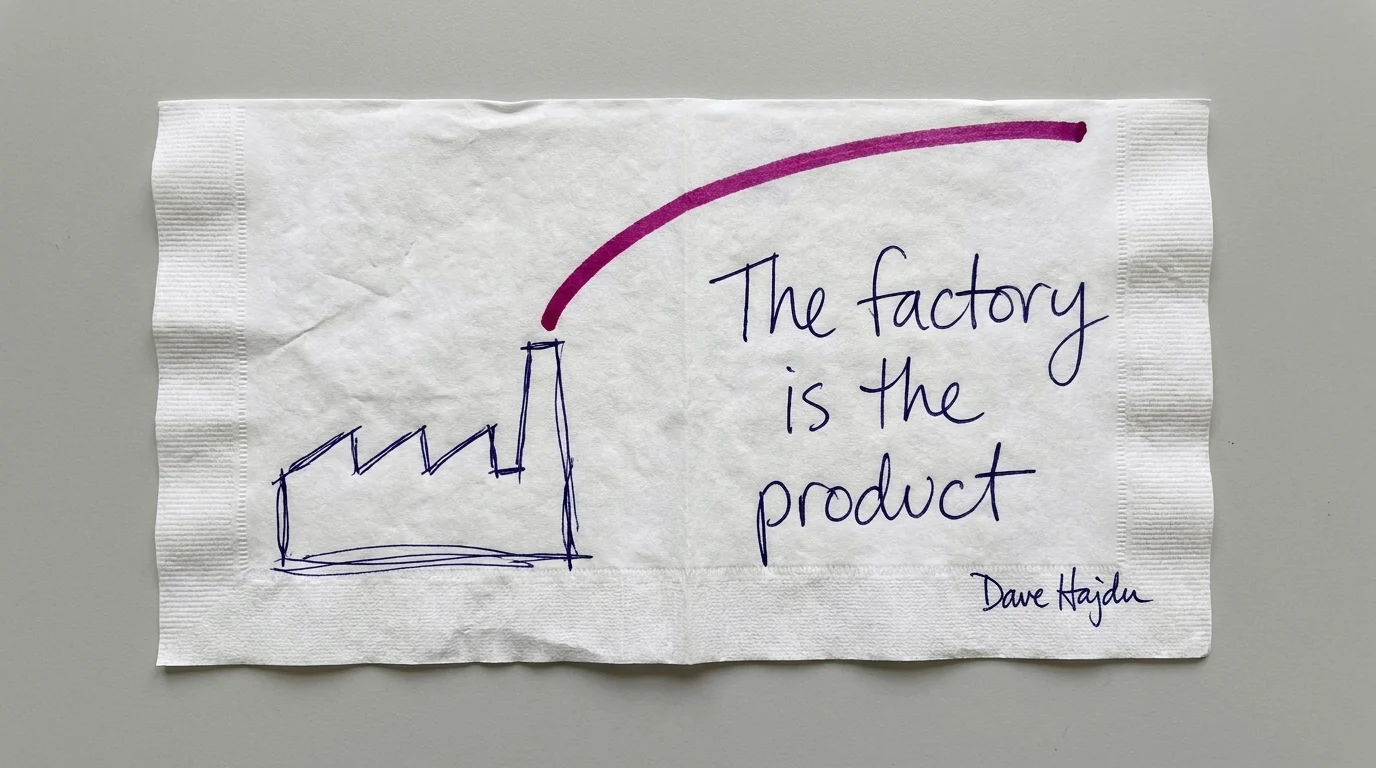
I'm a heavy Claude customer. Every Friday our clients see the Claude tokens used on their work. So I pay attention to where those tokens come from, and the more I look, the more I think Elon figured out something most people still miss. The factory is the product.
Compute is the constraint
Models, talent and capital are all easier to find right now than powered, working data center capacity. Demand is rising faster than anyone can build supply. Google, which owns some of the best AI infrastructure in the world, called its SpaceX deal "bridge capacity." When Google is renting, you know how tight this market is.
Money is not the moat
Every serious AI player has money. What they don't all have is the ability to turn money into working capacity quickly. A data center is so expensive that every month it sits unfinished is a month of lost return. If demand is rising and one builder can bring capacity online faster and cheaper than the next, you know who gets the demand.
Colossus was the first rep
People talk about Colossus as if it were the achievement. It was practice.
The first cluster reached about 130 megawatts in 122 days, by xAI's own account. Then came the second site. Epoch AI's tracker has Colossus 2 reaching a gigawatt about 12 months after breaking ground. Stargate Abilene took about 25. Across the sites Epoch tracks, the range runs from 1 to 3.6 years.
Everyone looked at that first build and saw a data center. What he was really building was the ability to build the next one faster, on top of 20 years of doing the same thing at Tesla and SpaceX.
Amazon is the parallel. You can't compete with them because you can't build that logistics network overnight. A data center has an extra twist, because a warehouse lasts for decades and a generation of GPUs does not. The buildings age. The ability to keep building is what lasts.
We have run this experiment before
America out-built Germany in World War II by a margin that is hard to believe. About 300,000 aircraft. About 88,000 tanks, against about 24,000 for Germany. In 1943 alone, the US built more tanks than Germany built in the entire war. Production wasn't the only factor. Soviet manpower and Allied logistics mattered too. But it was decisive.
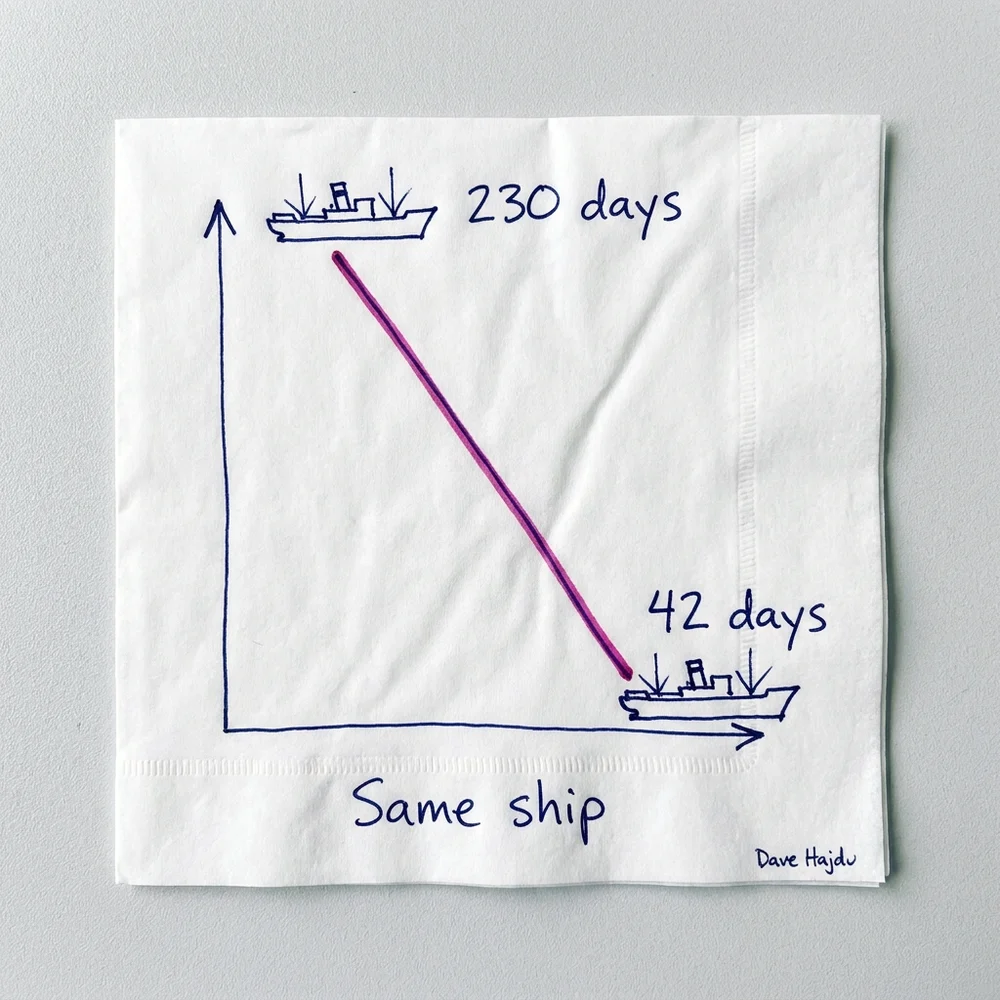
The number I love is the Liberty ship. The first ones took about 230 days to build. By 1944 the average was about 42. Same ship. Same country. Same war. The side that got faster at building won, and it beat better individual designs to do it.
Even the rent check proves it
Here is the part I find most interesting. TechCrunch reported that Grok usage had dropped and that xAI appeared to have overbuilt. So the capacity got rented to the competition, for about $26 billion a year.
Read that again. Even with his own model losing ground, the factory got paid.
Owning the factory means owning the leverage
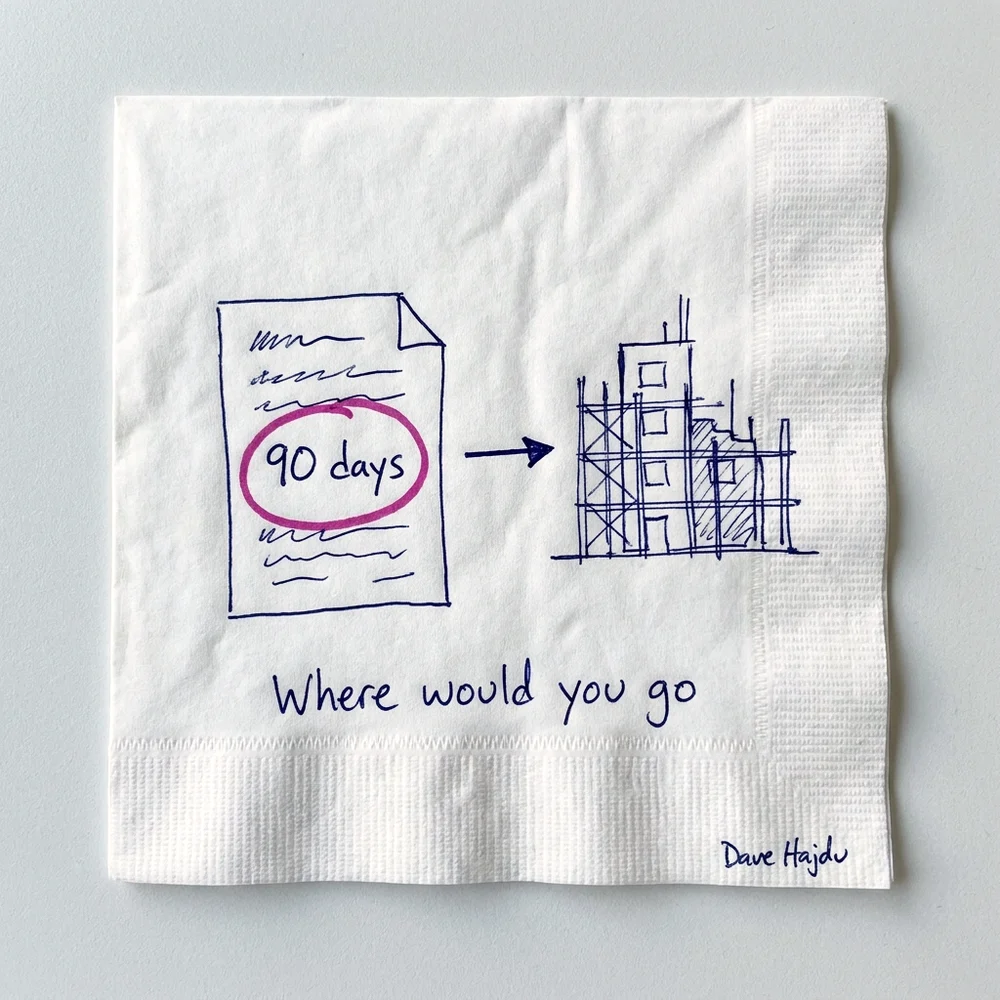
Those contracts have a 90-day out. Either side can walk, and critics pointed out that Claude could leave any time. But an exit clause only matters if there is somewhere to go, and right now the alternatives are still being built. Anthropic has real capacity coming from AWS, Google and Azure, and much of it arrives over the next few years.
Nobody is saying he would cancel and come back at double the price. He has about $15 billion a year of reasons not to. The point is that in a shortage, whoever owns the capacity gets to decide what happens in those 90 days.
Governments are managing the wrong risk
Every government looking at a data center is asking what could go wrong. The power bills, the water, the turbines next door. Those are fair questions. Capacity prices on PJM, the country's largest grid, went from about $29 to $329 a megawatt-day in two years. The turbines powering Colossus 2 are the subject of an NAACP Clean Air Act lawsuit, and the company says it is complying with the law. Speed has a bill.
And this isn't red or blue. New York imposed a moratorium. Ron DeSantis is a critic. Josh Hawley and Richard Blumenthal wrote a bill together. Voters opposed data centers in 40 of 41 local ballot measures.
In the short run, restrictions help whoever has already built, because every freeze makes standing capacity scarcer. The market hasn't decided that yet. SpaceX shares fell 12.5% in the two days after the midterms along with the rest of AI. Over the long run, new capacity goes where it is allowed.
But almost nobody is asking the second question: what goes wrong if we say no?
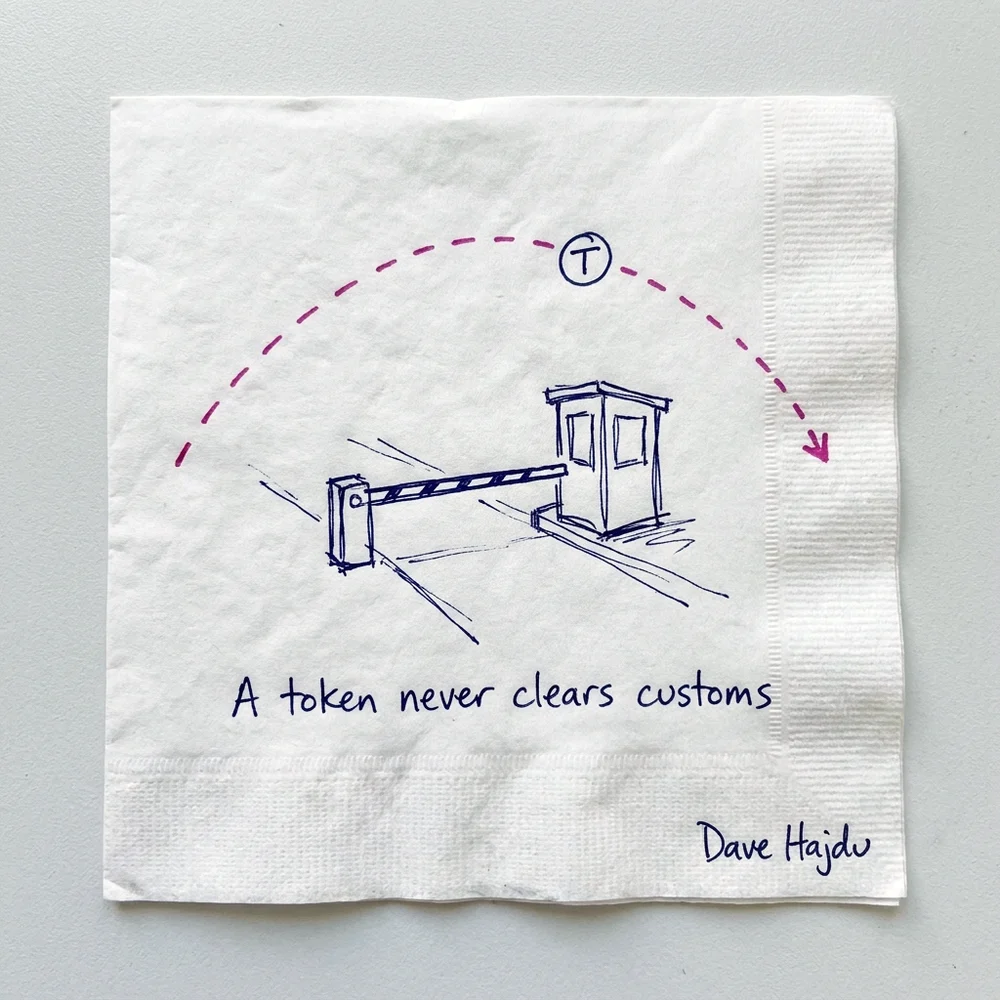
A token is the first strategic product that never clears customs. If it can't be made in Ohio, it can be made in Abu Dhabi and delivered to Ohio anyway. The jobs, the grid investment and the control all stay where the factory is. Washington still holds some of the keys through chip export rules, but that is a brake, and brakes get released. The UAE got license-free access to top Nvidia chips this July.
We've run this one before too. In 1990 America had 37% of the world's chip manufacturing capacity. By 2020 it had about 12%. Then Washington put up $39 billion to buy some of it back, and the industry's own forecast is about 14% a decade from now. The arsenal of democracy became a customer.
Whoever hosts the factory holds the leverage. That is as true for countries as it is for companies.
There is a better way to manage this. Twenty-three states have approved large-load tariffs that make data centers carry their own costs. Protect the ratepayer and still build. Manage the risk, but don't forget the opportunity.
The second factory
Here is why I think he is in pole position on two critical resources instead of one.
Launch uses the same muscle. In September, Starship reached orbit for the first time and deployed 26 Starlink V3 satellites. SpaceX has also filed with the FCC for up to a million satellites working as orbital data centers.
I want to be careful here. Ground compute is earning real money today. Orbital compute is an option. SpaceX's own filing warns it may never be commercially viable, the first satellites are "as early as 2028," and plenty of smart people think the cost makes no sense for a long time.
But look at what the option is worth. The ground is where the moratoriums, the lawsuits and the ballot losses are. If politics chokes land-based capacity, he is the one player with somewhere else to build. Space is the ultimate offshore.
The test
The thesis rests on two questions. Will compute stay the scarcest resource in AI? And can anyone keep getting faster at building it? If demand cools or the hyperscalers close the speed gap, I'm wrong, and I'd happily say so.
What is your factory
Most of you reading this are not building gigawatts. So here is why I care.
Last week I wrote about the unit economics of an AI product. If our token bill doubles, our $25 seat goes to roughly zero. That cost of goods sits on somebody's capacity, and that capacity sits on somebody's 90-day clause.
So two questions for your next leadership meeting.
Whose 90-day clause is your cost of goods sitting on?
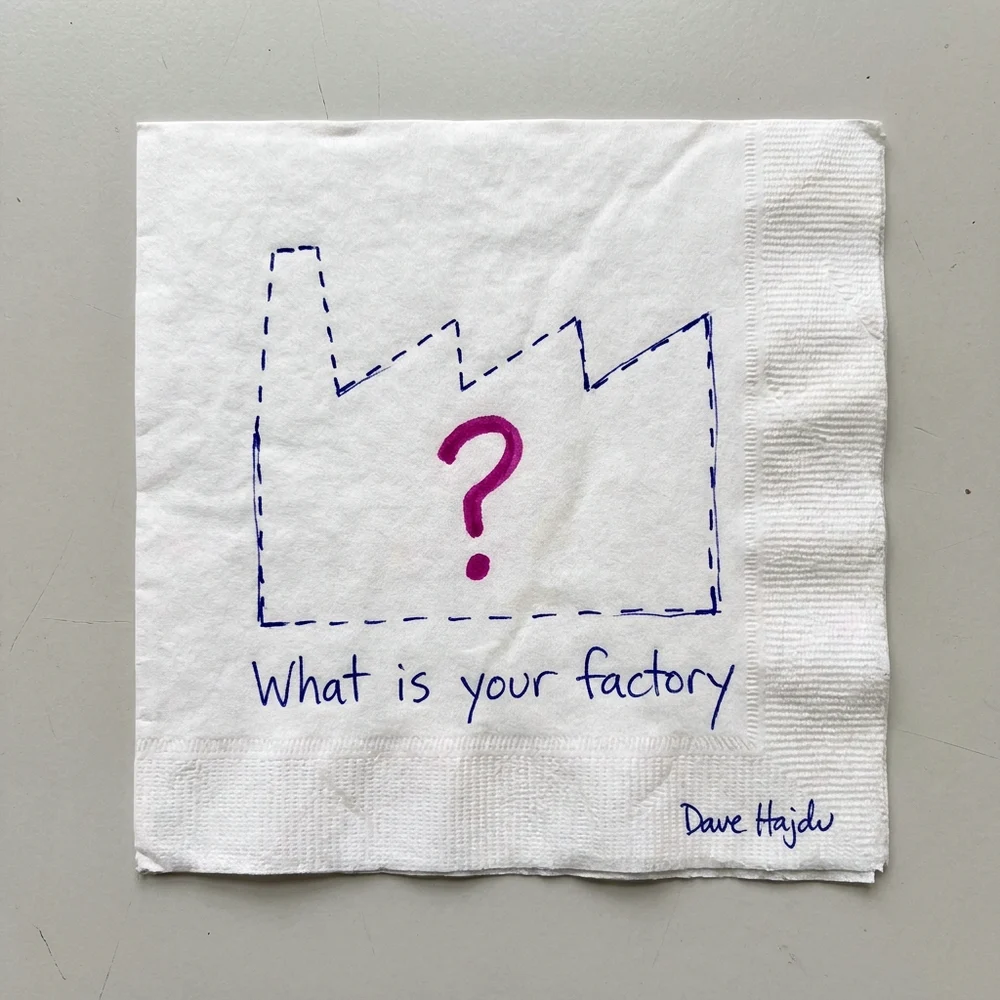
And what is your factory? Which thing, if you got faster at it every single time, would make you impossible to catch? Are you getting faster at it, or just doing it again?
Let's Work Together
Ready to put AI to work in your business?
Book a call and walk away with a clear view of where AI creates the most leverage for your specific situation.